A Calm Return to Routine After a Break
A calm return to routine after a break starts with familiar, manageable activity and room to notice how your body and schedule respond.

A calm return to routine after a break begins with one familiar activity, not a plan to make up for lost time. If you have been away from your usual swim, walk, casual game, or class, give the first outing a modest purpose: show up, take part at an easy pace, and notice how the routine feels.
Choose a familiar starting point
Pick an activity you already understand. Familiarity removes decisions about basic rules, equipment, and where to go, leaving more attention for how the session fits into your day. A regular pool lane, neighborhood route, community court, or weekly class can be easier to re-enter than an unfamiliar challenge.
Keep the first plan small enough to feel inviting. You might choose an easy walk instead of the longer route you used to take, join a recreational game with permission to sit out a round, or attend a class without setting a performance target. The aim is participation, not a verdict on your previous fitness.
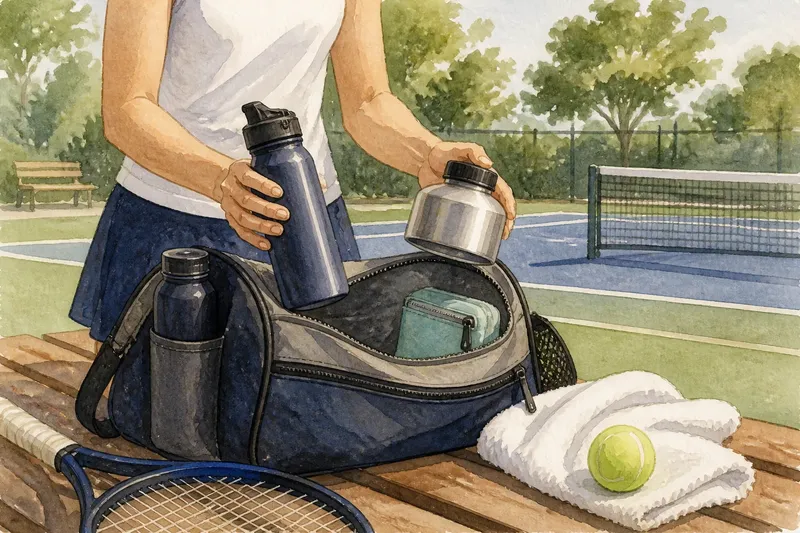
Say you usually play casual tennis on Saturday but have missed several weeks. You could arrange to hit gently with a friend, agree that either of you can pause, and finish while the session still feels manageable. The observable result to look for is whether the outing leaves you willing to return, not whether your old pace appears immediately.
Write down the activity and a simple stopping point before you go. A clear plan can keep a first session from growing simply because you feel you ought to do more.
Make room for ordinary life
A routine has to fit the week you have now. Work hours, family commitments, weather, access to facilities, and energy can all differ from the period before your break. Choose a time and place that work under current conditions rather than trying to recreate an old schedule exactly.
Start with one planned return outing and leave the next decision open until afterward. That gives you a chance to see how travel, changing clothes, the activity, and the rest of the day combine. If the outing feels straightforward to arrange, that is useful information. If it requires a scramble, a different day or shorter session may be more sustainable.
Make the practical details easy. Put your shoes, swimsuit, or racquet where you can find them; check opening hours or class arrangements; and decide how you will get home. These small preparations reduce friction without turning the return into a complicated project.
Keep the appointment modest enough that an ordinary busy day does not make it feel impossible.
Read the session as it unfolds
Notice more than whether you can complete the activity. Pay attention to your breathing, coordination, mood, and willingness to continue. These are everyday observations, not a scorecard. A relaxed conversation during a walk, for instance, may tell you more about the chosen pace than comparing it with a memory of a previous outing.
Give yourself permission to adjust in the moment. Walk instead of jog, take a longer pause between casual game rounds, or leave a class before the optional extra activity. Choosing less can be a sensible response to how the session feels; it does not need to be treated as failure.
Afterward, make a brief note while the details are fresh. Record what felt comfortable, what felt awkward, and whether the timing worked. Keep the note descriptive: “The route felt pleasant, but I wanted a slower start” is more useful for planning than “I should be fitter.”
Set a gentle rhythm
Once you have returned, decide when to make the next outing based on the first one and the demands of your week. There is no need to fill a calendar at once. A repeatable appointment matters more than an ambitious schedule that quickly becomes a source of pressure.
Keep the activity recognizable while you settle back in. Reuse the same walking route, pool session, or social game if it suits you. Familiar surroundings make it easier to compare how the routine feels from one visit to the next without adding new logistical decisions.
If a session feels harder than expected, respond by simplifying the next plan rather than trying to compensate. That might mean choosing a shorter route, fewer game rounds, or a class with a gentler format. If it feels comfortable, you can continue at a similar level before considering a change.
What should guide your return?
How should I choose my first activity?
Choose something familiar, accessible, and easy to scale down, such as a local walk or a casual session at a place you know. Prefer an option that lets you pause or finish early without disrupting other people.
What if my old routine feels difficult?
Treat that feeling as information about today, not proof that you cannot return. Reduce the duration or intensity, or choose a different familiar activity, then consider how that version fits your schedule.
How soon should I plan another session?
Decide after you have noticed how the first outing affected the rest of your day and how convenient it was to arrange. Pick a next time that seems realistic rather than setting a rigid run of appointments in advance.
When should I get professional advice?
If you have an injury, ongoing symptoms, a medical condition, or specific concerns about restarting activity, ask a qualified health professional for guidance suited to you. Stop and seek appropriate help if you experience concerning symptoms rather than trying to push through them.
Keep the next choice simple
Use your notes to make one practical adjustment, not to grade yourself. If the time of day worked but the pace did not, keep the time and ease the pace. If getting to the venue felt like the main obstacle, try a nearby alternative. A calm return to routine after a break is built from those small, useful choices: familiar activity, manageable expectations, and attention to how the routine fits your actual life.