The Quiet Skill of Keeping Your Balance
Learn how balance responds to small shifts in position, and use those adjustments to make walking, turning, and changing direction feel easier to read.
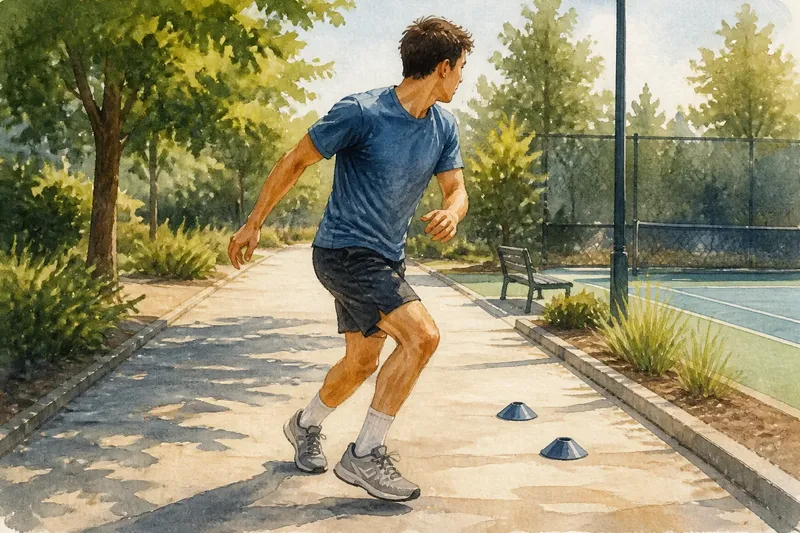
Balance is not a frozen pose; it is the small, continuous work of adjusting your position as you move. To understand balance in sport, notice where your weight shifts and how your body responds. That attention can make a walk, turn, or change of direction easier to understand without demanding that you hold perfectly still.
What does balance mean?
Balance is your ability to keep your body controlled as its position changes. Your body may sway slightly while you stand, lean as you reach, or shift over one foot as you take a step. Those movements are not automatically signs of failure. They are part of the adjustments that help you stay upright and continue the task.
It helps to distinguish static balance, which involves controlling a relatively still position, from dynamic balance, which involves moving while remaining in control. Standing on one leg is a simple static challenge. Walking, turning, and stepping around an obstacle call on dynamic balance. Many recreational activities combine the two: a player may settle into a stance, then move quickly as the play changes.
Instead of asking whether your body moved, ask whether you could direct the movement and recover your position. A small sway you can manage differs from a loss of control that makes you grab for support or take an unexpected step.
Why do small shifts matter?
Your weight rarely stays over exactly the same place. A foot lands, a knee bends, your trunk inclines, or your head turns; each change affects how your body is arranged over its support. Your muscles and joints respond with subtle adjustments. The floor, the shoe, the pace of the activity, and the direction you are facing also shape what adjustment feels useful.
Noticing those changes gives you information about the movement. If you feel your weight move toward your toes before a turn, you can recognize that your body is preparing to change direction. If your shoulders twist while your feet remain planted, you may notice that your next step needs room. The aim is not to micromanage every joint. It is to recognize a useful signal before a movement becomes confusing.
Balance also depends on the task. A stance that feels steady while reaching forward may not suit a sideways step. A surface can be level but still feel unfamiliar underfoot. Rather than searching for one ideal posture, look for a position that lets you make the next movement with control.
How can you notice an adjustment?
Start with an ordinary movement and pay attention to one feature at a time. Try a relaxed walk in a clear space. Notice when your weight leaves one foot and arrives on the other, then observe what your arms and trunk do as the step continues. Keep your gaze on the path rather than staring down at your feet.
On another pass, notice the moment you turn. Do your feet reposition before your trunk follows, or does your trunk begin to rotate first? Either sequence can occur, depending on the turn and the person. The useful observation is whether the parts of the movement work together well enough for you to stay in control.
Say you are learning to change direction during a casual court game and keep feeling rushed as you turn. Imagine slowing down in a clear practice space and making a comfortable turn at walking pace. You notice that your weight is already moving toward the outside foot before your shoulders face the new direction; next, you try giving that foot room to land. The expected observable result is a turn you can describe more clearly, not a promise that it will immediately become faster.
- Notice where your weight seems to be: toward the toes, heels, or one side.
- Feel whether your feet are planted, stepping, or repositioning.
- Observe if your trunk leans or rotates as the task changes.
- Notice whether your arms move freely or help you steady yourself.
- Check whether you can finish the movement without an unplanned step.
Choose one observation for each practice attempt. Too many cues at once can distract you from the activity itself.
Why does balance change during movement?
Movement changes both your support and your direction. When you walk, one foot leaves the ground while the other supports you; when you turn, your body must redirect its momentum; when you reach, your trunk shifts away from its usual position. A change that feels easy at a slow pace may ask for more coordination when you move faster or respond to another person.
Fatigue, unfamiliar footwear, a different playing surface, or a new task can also change the signals you notice. That does not mean you need to stop every time movement feels different. It means you can adjust the challenge: slow the pace, make the movement smaller, or return to a version you can control. If pain, dizziness, or repeated falls are involved, pause and seek advice from a qualified health professional.
For sport, pay attention to the movement that comes next. A comfortable starting stance matters because it gives you room to step, turn, or reach. Staying rigid may feel like control, but a stance that allows a small response is often easier to adapt.
What balance practice fits everyday sport?
Choose a familiar movement and make the challenge modest. Walk along a clear, level path and vary your pace slightly. Practice a gentle turn in both directions. Step over a low, stable line on the floor, or shift your weight from one foot to the other while keeping a nearby counter or wall within reach if you want support.
Pay attention to how each version feels rather than chasing a perfect performance. Does a slower step help you place your foot more deliberately? Does a smaller turn make it easier to keep your trunk and feet coordinated? Those observations can guide what you practice next. Use an open area free of loose objects, and skip any variation that feels unsafe or causes discomfort.
For a sport-specific version, borrow the shape of a familiar action without adding speed or complexity. A recreational tennis player might practice a gentle side step and reset on a clear surface before trying the movement in a rally. A walker might notice the transition from a curb cut to level pavement. The goal is to recognize how your position changes and what helps you remain in control.
Balance questions to ask?
Is balance the same as standing still?
No. Standing still is one balance task, but balance also includes controlling your body while walking, reaching, turning, or changing direction. Many sports rely more on this moving control than on a motionless pose.
Should I try to stop all body movement?
No. Small shifts can be normal adjustments that help you stay upright and move on purpose. Notice whether you can manage and redirect them, rather than treating every sway as a mistake.
How can I tell whether I am losing control?
Look for signs such as an unexpected step, grabbing for support, or being unable to finish the movement comfortably. If this happens repeatedly, or comes with pain or dizziness, stop the activity and consult a qualified health professional.
Can I practice balance without special equipment?
Yes. Ordinary walking, gentle turns, and controlled weight shifts can help you pay attention to your movement. Use a clear, stable area and a nearby support if you would feel steadier with one.
What should you notice next?
Pick one familiar movement the next time you play or exercise, and pay attention to the moment your weight changes direction. Ask what your feet, trunk, or arms do in response. That small observation can turn balance from an abstract idea into a movement you can recognize, describe, and adjust for the activity in front of you.