A Refillable Bottle or a Small Flask? Choosing What to Carry
Compare a refillable bottle with a small flask by capacity, shape, and access to choose a drink container that fits your recreational session.
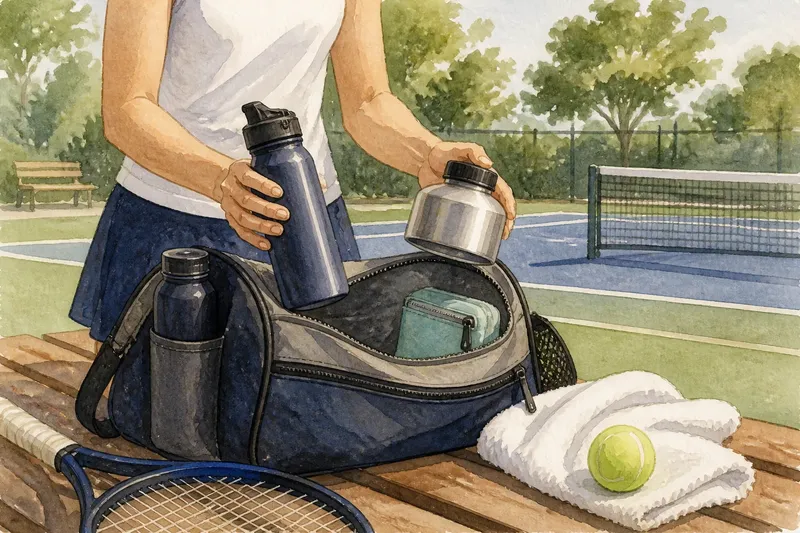
Choose a refillable bottle or small flask by checking where it will ride, how you will open it, and whether its capacity suits the outing. The right container stays secure in your gear and is easy to use during an appropriate pause.
Capacity and plans
A refillable bottle suits outings where you want more carrying capacity, expect to refill, or prefer a familiar bottle shape. The trade-off is space and weight: a fuller bottle takes up more room in a bag or hand.
A small flask can be easier to pack for a brief activity or a pause before heading home. Its smaller capacity leaves less room for a change of plan, especially if refilling is inconvenient. Container capacity is not a target for how much to drink; choose a drinking routine that fits your needs and the conditions.
Consider the outing itself. A gym class with a refill point presents a different carrying problem from a walk on a route without one.
Shape and storage
Tall, narrow bottles often fit side pockets, bicycle cages, and upright bag compartments. Check the fit rather than relying on the container’s stated capacity: a broad bottle may be awkward in a tight pocket, and a pocket that is too loose may not hold it securely.
Small flasks are usually shorter, but some have a wide or rounded body that takes up more room than expected. Check the full outline, including the cap, against the pocket or pouch you intend to use.
Imagine you are choosing between a narrow refillable bottle and a squat flask for a recreational tennis session. Your bag has a slim exterior pocket, and you also have a small pouch. Put each empty container in the space you would actually use, then walk around with your packed gear. If the bottle stays secure in the exterior pocket and the flask fits the pouch without crowding it, either fits a different carrying plan; if the bottle will not fit the pouch and the flask shifts in the exterior pocket, choose a container with a shape better suited to your usual storage space. The observable result is a container that remains where you put it rather than shifting around.
Access and closure
Flip tops, screw caps, push-pull spouts, and straws require different hand movements. Check whether you can open and close the container comfortably during the pauses your activity allows. For cycling or any activity where handling a drink could distract you, stop in a safe place before using it.
Look at the lid as well as the body. A tethered lid is less likely to be set aside and misplaced; a removable cap may be simpler to wash but needs a place while open. If you plan to carry the container in a bag, check that the spout closes fully and the cap aligns without forcing it.
Try the motion at home with the container empty: take it from the intended pocket, open it, and close it again. If the latch or grip feels awkward, compare a different closure before packing the container for a session.
Leaks and cleanup
Match the closure to the way you carry the container. A screw cap needs to be properly tightened; a flip top depends on its latch and seal. Check that the sealing surfaces look clean and undamaged and that the lid closes without feeling loose.
A wide mouth gives a brush or sponge more room to reach the interior. A narrow opening may require more care, especially if your drink leaves residue. Check whether the lid separates into washable parts, then follow the maker’s care instructions for the material and closure.
If you are unsure about the seal, carry the container upright and apart from clean clothing. That reduces the chance of a leak soaking gear.
Materials and insulation
Plastic, stainless steel, and other metal constructions differ in feel, weight, and response to knocks; the exact qualities depend on the product. A light plastic bottle may feel easier to carry, while a metal flask may feel sturdier but heavier than a similar plastic option.
Insulation can help keep a drink’s temperature steadier, but it often adds bulk. Consider whether that matters for your outing and whether the thicker shape fits your bag. Check the label for the intended drinks, hot-liquid suitability, dishwasher use, and cleaning instructions; these details vary by product.
Choices by session
For a gym class, either container may work if it fits your bag and can stay nearby. A small flask may suit a brief session; a refillable bottle may suit a plan that includes a refill. Consider where you will place it during the activity, not just how it feels on the way there.
For a walk or longer outing, compare capacity, available refill points, and the pocket you will use. Check that the container stays secure as you move and does not make the pocket swing or sag.
At team practice, a distinctive color or simple name mark can help you recognize your container among shared gear. Keep it in your own designated spot so someone else does not mistake it for theirs.
Common questions?
Is a bottle better for a longer session?
A refillable bottle often offers more carrying capacity, but the choice depends on refills, shape, and how you carry it. Do not infer how much to drink from the container’s volume.
Can a small flask fit in a sports bag?
It may, but its width and cap can matter more than its height. Compare it with the intended pocket and check that it stays upright and closed.
Which is easier to clean?
The opening and lid design matter more than the product name. A wider opening gives you more room to reach the interior; check removable lid parts and follow the care directions.
Should I choose an insulated container?
Choose insulation if keeping the drink’s temperature steadier suits your plans and the added bulk fits your storage space. For a short session where temperature is not a concern, a simpler container may be easier to pack.
Final selection
Choose a refillable bottle when its capacity, profile, and closure suit the way you carry gear. Choose a small flask when compact storage matters more than carrying a larger supply. If neither fits your usual pocket or bag, compare another shape instead of forcing the choice.
Before your next outing, pack your gear and place the container in its intended pocket. Walk around, then check whether it stayed in place and remained easy to reach. That practical fit is more useful than a product description alone.